
Turn Your Business Knowledge into Faster Resolution
Build knowledge in the ResolveCX Knowledgebase module, publish it as FAQs on your own website and make it available for AI ingestion. Help case workers resolve faster and support automatic resolution of simple cases.
- BUSINESS KNOWLEDGEBuild guidance in the ResolveCX Knowledgebase module
- PUBLISH AND INGESTPublish website FAQs and make knowledge available for AI ingestion
- THREE RESOLUTION PATHSCustomer FAQ self-service, staff-assisted resolution or simple-case auto-resolution
- HUMAN EXCEPTION HANDLINGPeople handle complex, uncertain and specialist matters
Knowledge helps staff resolve faster and respond consistently. Illustrative only; availability depends on configuration.
Build
Business-owned guidance in the Knowledgebase module
Publish
Website FAQs for customer self-service
Assist
AI-ingested knowledge for faster staff resolution
Resolve
Automatic resolution of simple cases
What it does
One Knowledgebase, Three Ways to Help
Your business builds its knowledge in ResolveCX. The same guidance can become website FAQs for customers and be made available for AI ingestion to help resolve cases, rather than staying separate from the work it supports.
Customers find answers through FAQ self-service. Case workers use knowledge suggestions for faster, more consistent responses. Knowledge can also support automatic resolution of simple cases. Complex, uncertain and specialist matters stay with people who can assess the circumstances and handle exceptions.
How it works
Build your business knowledge
Create guidance in the ResolveCX Knowledgebase module so your team's policies and answers have a shared home.
Publish website FAQs
Publish that knowledge as FAQs on your own website so customers can find answers through self-service.
Make knowledge available for AI ingestion
Use your business-owned knowledge to support AI suggestions and simple-case resolution.
Choose the appropriate resolution path
Staff-assisted resolution uses knowledge suggestions to help case workers. Customer FAQ self-service lets visitors find answers. Simple-case auto-resolution uses knowledge to support automatic resolution.
Keep people on matters that need judgment
Complex, uncertain and specialist matters need human handling. Staff assess guidance against the case and involve the right expertise for exceptions.
Industry use cases
Knowledge Base Copilot Across Industries
Financial Services
Shared guidance on routine service questions can support website FAQs and more consistent staff responses. Disputes, regulatory interpretation and individual financial circumstances need trained people.
Healthcare
Administrative guidance on appointments and service inquiries can help customers find answers and new staff handle routine questions. Clinical judgment and sensitive patient matters remain with qualified specialists.
Telecommunications
Knowledge about billing explanations and routine service questions can support FAQs, staff assistance and simple-case auto-resolution. Disputed charges and unusual circumstances need human handling.
Manufacturing
Product guidance and warranty FAQs help customers and case workers use the same information. Knowledge can support simple-case resolution, while product faults and exceptional warranty claims need investigation by people.
Why it matters
Knowledge That Helps Customers and Staff
Bring shared guidance into everyday service work. These are practical benefits, not a promise that every case can be automated or every mistake prevented.
Faster handling
Relevant knowledge suggestions help case workers spend less time looking for guidance and resolve cases faster.
Consistent responses
Shared business guidance helps staff and customer FAQs give consistent answers to the same questions.
Fewer policy-related mistakes
Putting important policy guidance in reach helps reduce mistakes, without promising error-free responses or guaranteed compliance.
Faster staff onboarding
Knowledge suggestions help new staff become productive sooner, alongside training and support from experienced colleagues.
Automatic resolution of simple cases
Knowledge can support simple-case auto-resolution, leaving complex, uncertain and specialist matters with people.
Practical evaluation guide
Evaluate knowledge across self-service, staff assistance and simple-case resolution
Start with guidance your business builds in the ResolveCX Knowledgebase module. Follow it into website FAQs and AI ingestion, then evaluate customer self-service, staff-assisted handling and simple-case auto-resolution as distinct paths.
Illustrative resolution scenario
A routine question and a policy exception need different paths
Use a routine service question covered by your knowledge to explore FAQ self-service and automatic resolution of a simple case. Then try a case that needs a worker to apply guidance to individual circumstances. Include a policy exception or conflicting information: a person should resolve that uncertainty, with specialist help where needed. A useful evaluation also asks whether a new staff member can find the guidance and understand when to seek help.
Questions to agree before use
- Which business guidance will become website FAQs and be available for AI ingestion?
- Which simple cases suit automatic resolution, and which need staff-assisted handling?
- Do suggestions support consistent responses and help staff avoid important policy mistakes?
- Can new staff use the guidance while recognising when to involve an experienced person or specialist?
Keep complex complaints, uncertain cases and specialist judgments with people. Shared knowledge helps reduce policy-related mistakes and supports onboarding, but does not guarantee compliance, eliminate errors or replace staff training.
Questions About Knowledgebase Copilot
Your business builds its guidance in the ResolveCX Knowledgebase module. That knowledge can serve customers as website FAQs and be made available for AI ingestion to support case resolution.
Yes. Businesses can publish knowledge from the ResolveCX Knowledgebase module as FAQs on their own websites. Customers can find answers themselves, with staff handling questions that the FAQs do not address.
Business-owned knowledge is made available for AI ingestion. Knowledge suggestions help case workers find relevant guidance, resolve faster and give more consistent responses, with fewer mistakes around important policies. Complex, uncertain and specialist matters still need human handling.
Knowledge suggestions give new staff relevant guidance while they work on cases, helping them become productive sooner. They support onboarding rather than remove the need for staff training or experienced help.
Yes. Knowledge can support automatic resolution of simple cases, alongside staff-assisted handling and customer FAQ self-service. These are distinct paths, not a requirement for staff to manually approve every AI-assisted response. Complex, uncertain and specialist matters remain with people.
No. Using shared guidance helps reduce policy-related mistakes and supports consistent responses, but it does not eliminate errors or guarantee compliance. Teams need to keep their guidance relevant and involve people when a case needs individual or specialist judgment.
ResolveCX AI
Put Your Business Knowledge to Work
Explore how your Knowledgebase can power website FAQs, help staff resolve faster and support simple-case auto-resolution, while people handle matters that need judgment.
Keep exploring
Recommended insights
Relevant guides and real-world perspectives for the work you are doing now.
 Guide
GuideNICE CXone Integration
CXone Studio IVR script-triggered case creation following DEVone API patterns, NICE Enlighten AI classification, embedded CXone agent desktop panel, and bi-directional sync to CXone supervisor dashboards.
Explore resource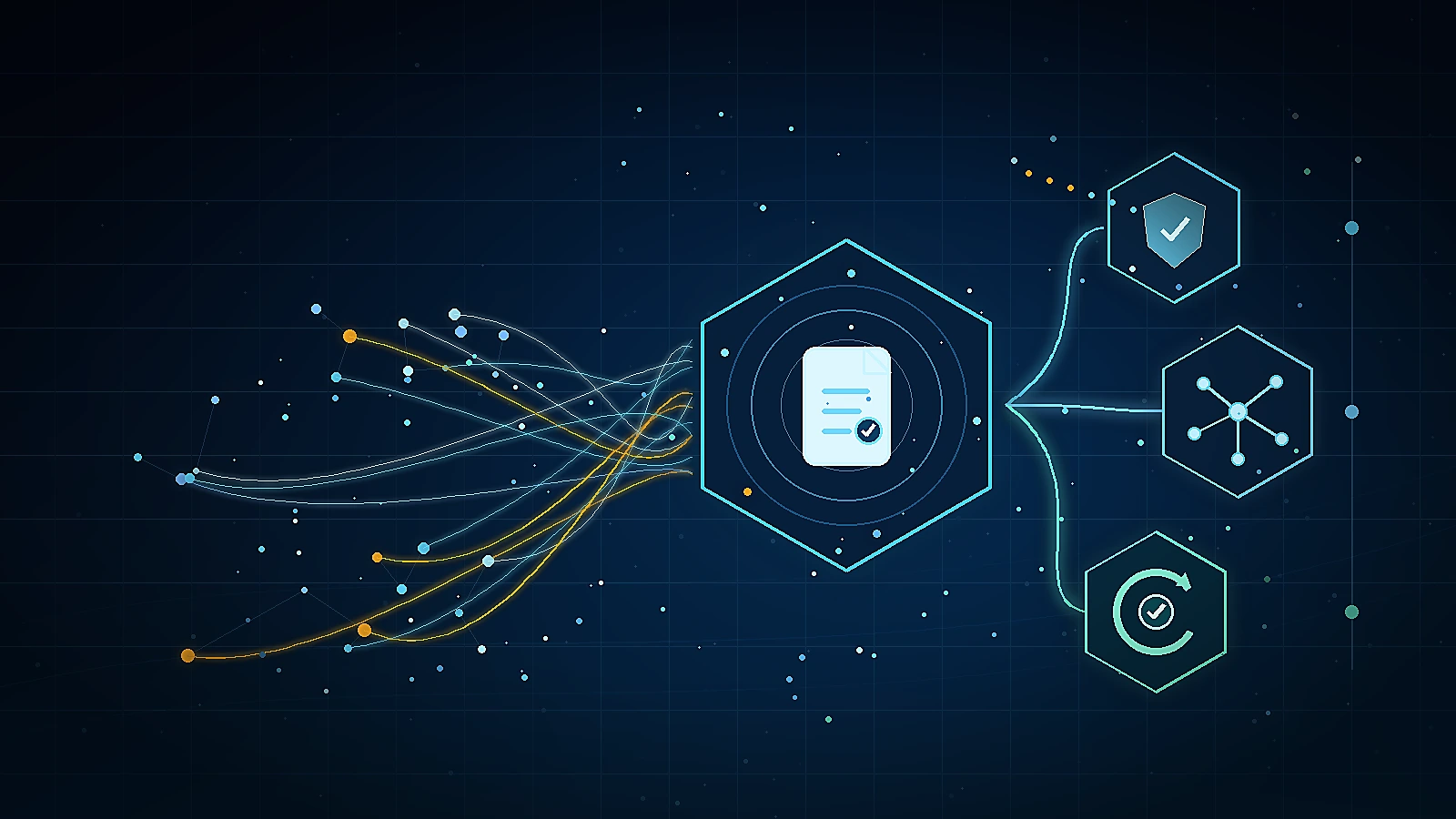 Guide
GuideCustomer Churn Prediction for Financial Services
AI churn risk scoring that identifies post-complaint attrition signals before customers close accounts, with retention workflows and Consumer Duty outcome evidence.
Explore resource Guide
GuideWhat Is Case Management?
What a case is, how it differs from a ticket, and why case-first architecture matters in regulated environments where resolution memory, ownership, and audit trails are non-negotiable.
Explore resource Guide
GuideCisco Webex Contact Center Integration
API-based case creation from Webex Connect IVR events, agent screen pop via the Webex CC Desktop Widget SDK, case management layer behind the Webex CC agent desktop, and bi-directional status sync to Webex Analyzer dashboards where configured.
Explore resource Blog
BlogThe ResolveCX Blog
Practical thinking on complaint governance, escalation management, and case resolution for regulated industries.
Explore articleVideoResolveCX Video Library
See complaint governance, case management, and escalation workflows explained by the ResolveCX team.
Explore video Case study
Healthcare Governance Case Studies
See how regulated healthcare teams improved SLA adherence, reduced escalations, and accelerated audit preparation.
Explore resourceResolveCX on LinkedIn
Follow the latest ResolveCX updates, governance conversations, and practical customer operations insights.
Explore resource